- Print Magazine
- Digital Magazine
- Newsletter

Advertisement

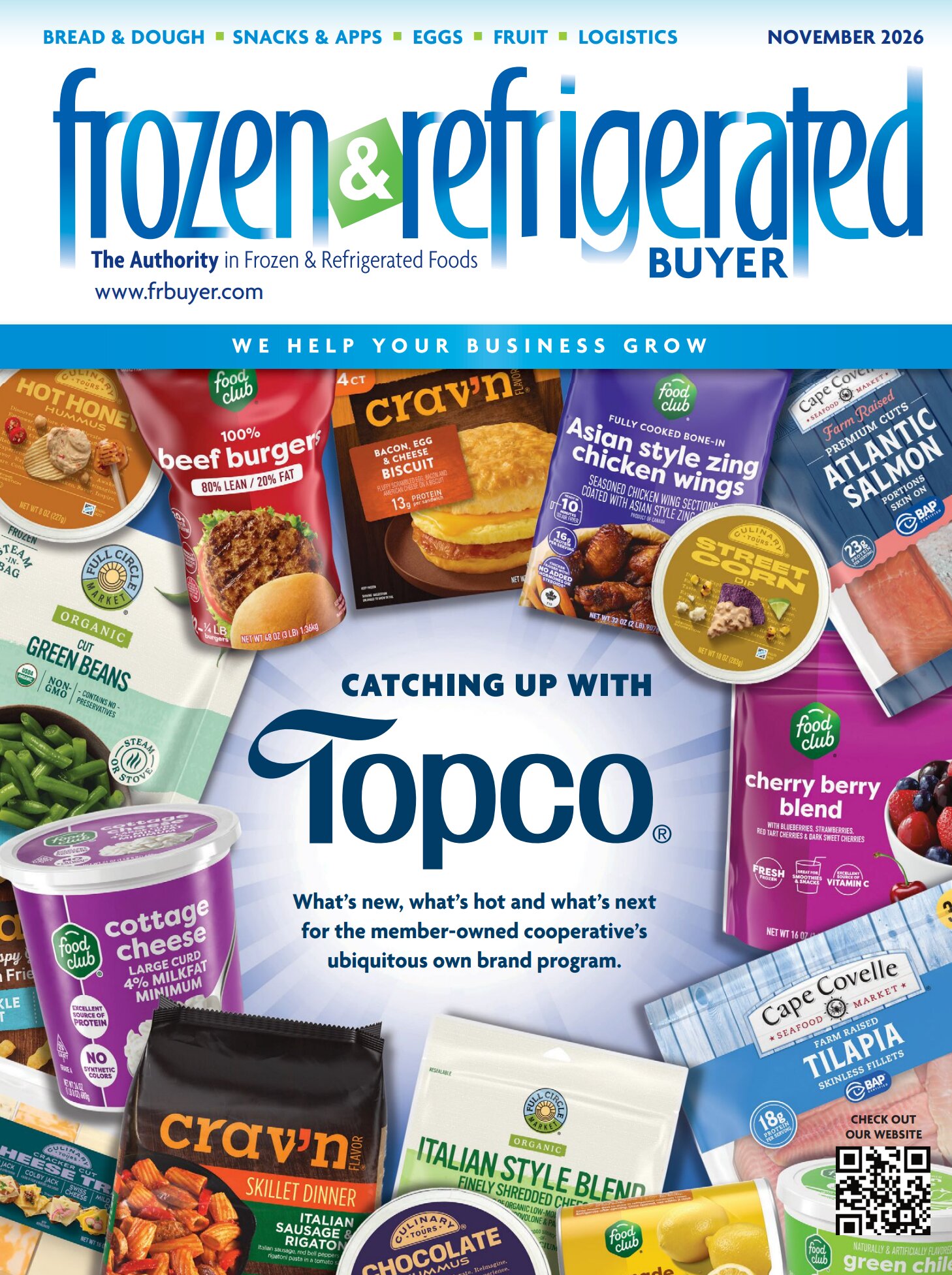
Cover Story

The Power of Private Brands 2024: What’s Ahead for Shoppers and Private Brands,” released earlier this year by Arlington, Va.-based FMI — The Food Industry Association — was chock full of good news about private label. For starters, store brand dollar sales jumped 4.5% during the year ended March 24 versus a gain of only 3.0% for national brands, pushing private label dollar share to 20.8% (20.9% by June 30). But the performance gap was even more significant on the unit side where store brand sales climbed 2.0% while national brand sales fell 2.6%, driving private label unit share to an all-time high of 25.7% (25.8% by June 30).

Steve Markenson
Not surprisingly, 55% of respondents to FMI’s consumer survey said they had been buying more private brands over the past year compared to 28% who said they had been buying more national brands. Even better, 46% said they planned to purchase private label products somewhat or much more in the coming year, compared to 27% who expected to buy more national brands. (Only 3% said they planned to buy less private label compared to 16% who envisioned buying fewer national brands.)
Although two-thirds of Americans believe their income has not kept up with food inflation, “Interestingly, 83% say they feel like they do have some control over their grocery bills — and 40% feel like they have a lot of control,” said Steve Markenson, vp of research and insights at FMI, during a media briefing last month. It’s clear that one way they’re “taking control of their weekly spend” is by changing brands, often moving from national brand to store brand.
As a result, more than half of shoppers surveyed by FMI said store brands play a very or extremely important role in their decision about where to shop, up from about a third in 2016.
 How can retailers and manufacturers take advantage of this historic opportunity? FMI offers some ideas in part two of “The Power of Private Brands: Industry Strategies to Sustain Momentum,” released last month.
One of the most important recommendations for retailers moving forward came out of consumer insights revealed in the first FMI report. Although value and price are still the top two reasons consumers are buying more private label, quality and taste are becoming increasingly important purchase drivers. The percentage of consumers who cited quality as the reason they choose store brands went from 30% in 2023 to 42% earlier this year; the percentage of those who pointed to taste jumped from 26% to 33%.
‘Consumers have given private brand owners permission to innovate.’
As a result, retailer and manufacturer responses to FMI’s question about the biggest opportunities for private label sales and share growth looked a little different this year than last. Two-thirds said premium brands are a major opportunity (versus 51% last year), 55% cited health and well-being (versus 35% last year), 50% pointed to simple clean ingredients/free-from (versus 35% last year) and 48% named frozen foods (up from 33% last year). On the flip side, value and price were deemed less important this year than last. While 70% of retailers and manufacturers cited best value as a major opportunity last year, only 63% mentioned it this year. And while best/lowest price was cited by 58% of respondents last year, only 46% called it out in 2024.
 What do those findings mean for retailers and manufacturers? “Consumers have given private brand owners permission to innovate,” even outside categories where shoppers normally seek store brands, answers Doug Baker, FMI’s vp of industry relations. “So the industry is aiming to make private brands more than just copycat products or national brand equivalents. They want to be better than and differentiated from [them] and to create really distinct programs.”
However, he continues, private brand innovation goes beyond just new product development. “It’s about addressing unmet needs across the board — from packaging and flavors to supply, logistics, merchandising and marketing. So it’s innovation across the entire value chain in order to make private brands that much more important and successful. It touches nearly every aspect of the business.”
With that in mind, retailers and manufacturers surveyed by FMI identified several key areas that they believe are important or extremely important for driving private brand growth. Not surprisingly, 81% of food industry execs cited value/price. And when asked to rate the industry’s performance in that area, 81% said it’s doing a very good or excellent job. Survey respondents said “emphasizing value beyond price” and “calling out enhanced value compared to national brands” were the best price-value strategies for driving growth, followed by “playing up value in all tiers.”
 Despite the continued importance of value, 81% of retailers and manufacturers also identified appealing to younger consumers as an important or extremely important private brand growth driver. But only 20% thought the industry was doing a very good or excellent job, highlighting a significant opportunity for improvement. Survey respondents’ top strategy for winning over younger consumers, cited by 63%: digital marketing. However, noted the report, younger shoppers are attracted to non-traditional digital marketing channels, particularly social media. “Retailers and suppliers are still working to optimize how they use social media as a successful marketing tool.” Sampling, leveraging shopper insights, boosting convenience and improving e-commerce capabilities were also cited as ways to spur private label sales among younger shoppers.
Although value/price and appealing to younger consumers were deemed essential to private brand growth by the vast majority of those surveyed by FMI, two-thirds of respondents also cited health and well-being as a key driver, with limited ingredients, functional foods, food as medicine, nutrition education and focus on lifestyle diets identified as winning strategies. Ingredients 67%) and transparency (60%) were also considered important or extremely important to growth by many. Respondents said providing allergen and supplemental nutritional information as well as details around sourcing, certifications and social responsibility are the best ways to drive growth in those areas.
Other keys to private label advancement cited by retailers and manufacturers include packaging (52%), meal solutions (46%), omnichannel experience (44%), marketing (42%) and sustainability (38%).
While new product development was a key component for driving private brand growth, identified by 87% of retailers and manufacturers surveyed by FMI, almost as many also cited brand development (83%) as very or extremely important.
 Obviously, marketing and merchandising store brands like the “real” brands that they are is fundamental to private label success.
But industry execs are also looking at creating different brands in different tiers and applying different strategies. In fact, 75% of retailers and manufacturers said differentiation/ premiumization is essential for growth. Their strategies for achieving that include building a culture of merchandising differentiation, telling stories that highlight distinctive product attributes, acting on lifestyle trends information, and emphasizing unique in-and-out items.
Despite their belief in the importance of new product and brand development as well as premiumization/differentiation, most retailers and manufacturers don’t think the industry is doing a very good job in those areas. Thanks to significant SKU rationalization during the pandemic that slowed R&D efforts, “The industry is still playing catch up,” says Baker. “Closing that gap is going to require strengthened partnerships between retailers and manufacturers.”
Top priorities for advancing private brand supplier relationships, supply and assortment include making longer-term commitments to supplier arrangements, deemed very or extremely important by 85% of industry execs; engaging more closely with existing suppliers (84%), giving suppliers more opportunity to innovate (82%), encouraging enhancements in supplier infrastructure (62%) and developing new supply sources (54%). Not surprisingly, however, retailers and manufacturers viewed the importance of some of those strategies a bit differently.

Doug Baker
For example, says Baker, “One hundred percent of manufacturers believed long-term supplier commitments are crucial compared to just 50% of retailers… Similarly, 90% of manufacturers stressed the importance of deeper engagement with current suppliers while only 67% of retailers shared that view. On the other hand, retailers were more focused on diversifying their supply sources, with 84% emphasizing the need for some new supply relationships compared to only 37% of manufacturers.”
Trading partners also disagree on the best ways to achieve some of those goals. In the area of longer-term commitments, for example, everyone liked the idea of regular meetings and win-win approaches. But, while 73% of retailers said improved transparency on costs will help them commit to long-term arrangements, only 24% of manufacturers agreed. And in the area of engaging more closely with existing suppliers, retailers emphasized better communication while manufacturers prioritized being treated as team members.
‘One hundred percent of manufacturers believe long-term supplier commitments are crucial compared to just 50% of retailers.’
However, both retailers and manufacturers said bringing suppliers into the product ideation/development process is the best way to give suppliers more opportunities to innovate, marking a real turning point for the industry. In the past, explains Baker, “The manufacturer would [often] just do whatever the retailer asked them to. But now retailers are inviting manufacturers to share the expertise they have within their categories to boost new product development.” He adds, “That tells you how far the industry has come. It’s really moved away from transactional relationships always focused on cost.”
 While FMI’s research showed that industry priorities around private brands don’t always line up with performance, retailers and manufacturers are starting to put their money where their mouth is. In fact, a whopping 93% planned to moderately or significantly increase investment in private brands in the next two years, up from 82% in 2023.
“That signals growing recognition of not only private brand sales potential, but the ability of private brands to act as a key differentiator and drive loyalty for retailers,” says Baker. He adds that much of the new investment will be aimed at expanding capacity. “As we grow the business, we need to grow the manufacturing capacity as well…and build a network that’s resilient and can withstand supply chain challenges,” which can range from global pandemic to war to weather-related disasters, he explains.
 While 84% of industry execs said private brands are extremely or very important to their organization, only 35% of all retailers felt they were “well along” in their private label development journey while 43% said they were “midway” in their development. That means 21% were still early in the process, so there’s still plenty of room for additional growth. How much? Respondents expected to increase their private brand dollar share an average of 4 percentage points in the next two years, and unit share, 3.5 percentage points.
“Consumers are increasing their spending on private brands, [and] retailers are increasing their investments in private brands,” says Baker. “So there’s real growth and opportunity here for private brands over the next two years.”

Advertisement




Advertisement

#1 IN AD REVENUE
TARGETED READERS
AWARD WINNING
