- Print Magazine
- Digital Magazine
- Newsletter

Advertisement
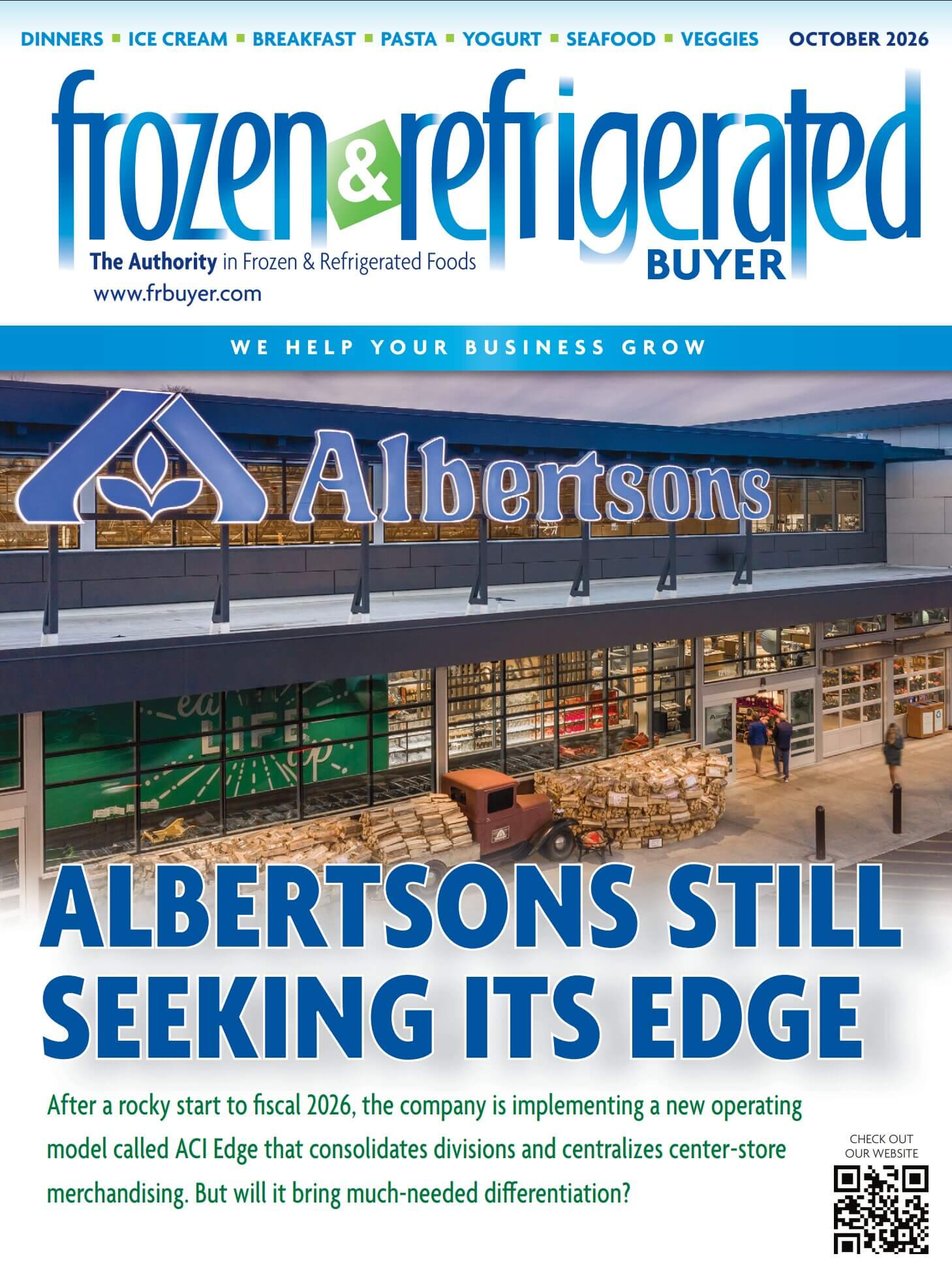
Features (Out George's Way)

It wasn’t a complete surprise, but it still caught our attention when Steven Presley, CEO of Nestlé North America, admitted recently that the company hasn’t focused on innovating in frozen foods for the past three years. The answer to why is simple. Nestlé, like many other national brand and private label producers, had all it could handle just keeping store shelves stocked with its most in-demand items. COVID-19 did that to many companies.
Presley’s pledge that Nestlé is back to innovating in frozen foods is positive news. It mirrors what we are hearing from brands that seem to understand that the same-old, same-old just isn’t cutting it anymore.
Younger consumers, particularly the inflation-weary, will price-shop their regular purchases day in and day out. However, give them something special delicious to be excited about eating, and they will treat themselves and their families. Grocers who find multiple ways to excite shoppers will find that it leads to bigger baskets and, over time, the higher market share that goes with improved customer satisfaction and net promoter scores. (You’ll find multiple examples of innovative new products in the seven product category reviews packed into this issue, beginning on page 56.)
To be clear, we’re not suggesting that grocery retailers simply abandon the SKU management discipline developed in recent years. That change has been a net positive and a business necessity for companies operating on ridiculously tight profit margins.
What we’re suggesting is that there may be room to maneuver. We know from Anne-Marie Roerink, founder and principal of 210 Analytics, that the average frozen food store assortment currently stands at about 1,200 items per week. That’s down from 1,325 in 2019. (Check out Anne-Marie’s frozen report on page 36, and look for more in upcoming issues.)
“I always say innovation doesn’t wait for category reviews,” says Jonathan Lawrence, vp of center store at Fresh Thyme Market. Speaking at last month’s Plant Based World Expo, he pointed to the need for grocers to build a culture intent on “finding what’s new, what’s next” to succeed in today’s market. That means category managers getting out of the office and actively searching for distinctive items that they can bring to store shelves.
Lawrence is a strong advocate of nurturing brand and broker relationships in order to stay ahead of the competitive curve. He also champions using analytical insights to identify and address gaps in store assortments.
It all comes down to delivering what customers want now and using all the tools and skills at hand to identify and get behind trending categories and products on the move. Importantly, this extends to grocers’ own brands, where uniqueness, quality and the perception of superior value help to create a differentiated position in the minds of consumers. Target, which launched its Good & Gather brand in 2019, saw its sales surpass $2 billion last year. The chain has gone on the record that 60% of the SKUs in Good & Gather and its other food and beverage own brands have no equivalent on the national brand side.
Innovative — differentiate — win. It’s a mantra for us all.
George Anderson, Editor
Advertisement





Advertisement

#1 IN AD REVENUE
TARGETED READERS
AWARD WINNING
